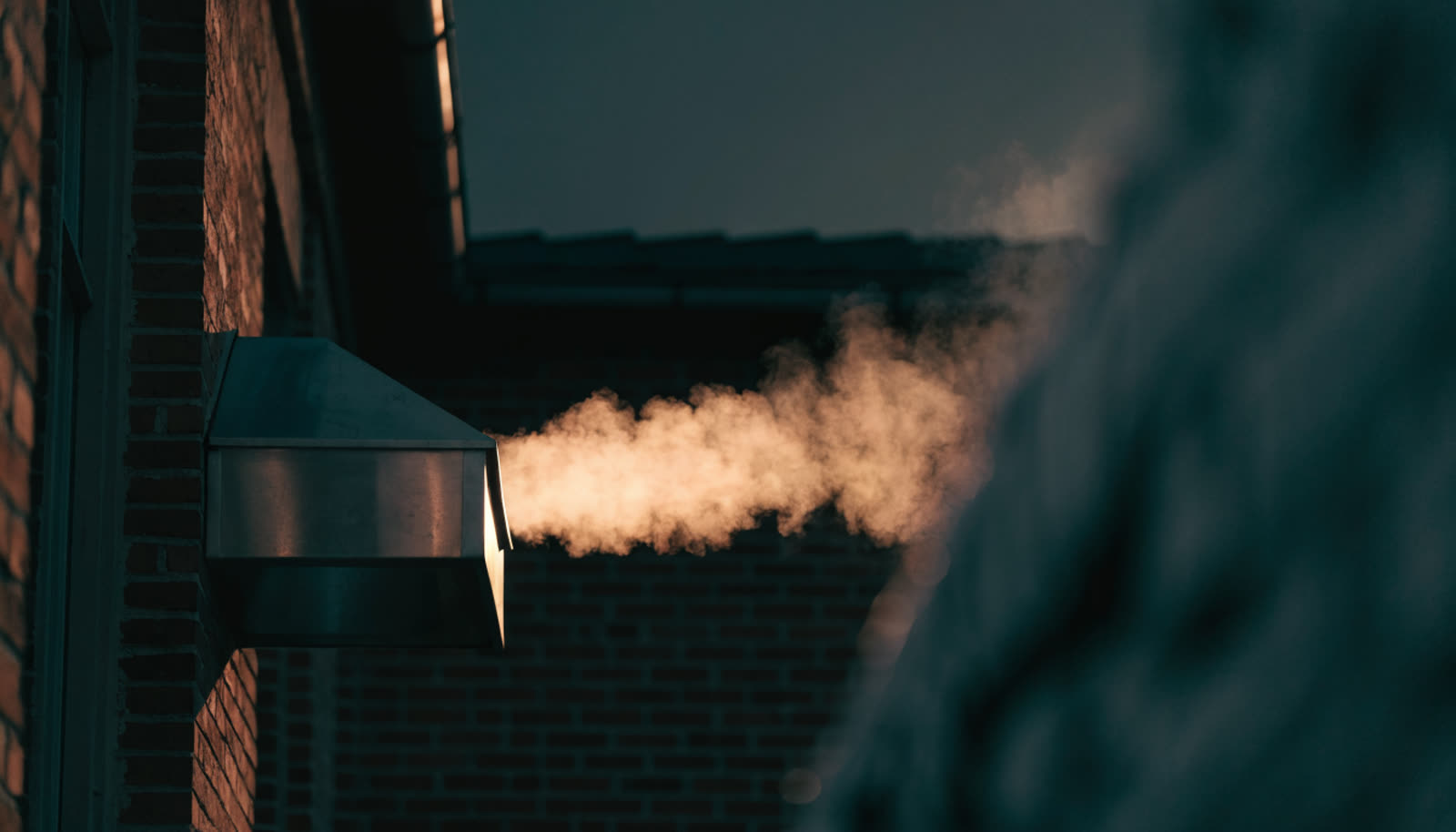
A dryer vent is a chimney for laundry, and it fouls the same way a flue does: a little lint on every load, packed tighter with every month, until the machine is pushing its hot, damp air through a felt-lined straw. The dryer works harder, the towels come out damp, and a genuine fire hazard sits quietly behind the wall. Lint burns eagerly, and a hot dryer element is exactly the neighbor it should never have.
The cleaning is the same discipline as sweeping: the full line brushed from the dryer drum to the outdoor hood, every foot of it, with the loosened lint drawn out rather than shoved deeper. The run gets inspected as the brushes pass, the outside hood gets checked and cleared, and the airflow gets proved at the finish, not assumed. A vent done proper moves air the way the machine was built to expect.
The signs the line is packed
- Towels still damp after a full cycle, or every load wanting a second run.
- A scorched, hot-fabric smell while the dryer works.
- The laundry room warmer and steamier than it ought to be.
- The outside flap barely lifting when the dryer runs, or lint bearding around it.
- No memory of when the line was last brushed out. That one counts double.
Why the whole line matters
Most folk clean the lint screen faithfully and assume the rest takes care of itself. It does not. The screen catches the coarse lint; the fine stuff rides the moist air into the duct and settles along every elbow and sag in the run. The longer and twistier the route to daylight, the faster it packs. That is why the whole line gets brushed here, drum to hood, and why a quick vacuum at either end is not the same trade.
A natural partner to the chimney call
The brushes, the ladders and the habits are the same, so many households have the dryer line done in the same visit as the annual chimney sweep or the free inspection. One visit, both of the house's workhorse vents cleared for the year.
What it costs
The price follows the run: its length, its bends and how badly it has packed. As with every trade at this bench, the number comes after a look and comes in writing, and the written number is the number. The whole method is on the pricing page.
Frequently asked about dryer vents
How often should a dryer vent be cleaned?
Once a year suits most households, sooner for big families, pet owners and long duct runs. The honest tell is performance: when drying times stretch, the line is talking. Do not wait for the scorched smell; that is the line shouting.
Is a lint-packed vent really a fire risk?
Really. Lint is tinder, milled fine and packed around a heat source, and dryer fires are a steady, well-documented cause of house fires. It is among the cheapest serious hazards in the house to retire, which is why we treat the humble dryer line as proper work and not an afterthought.
Will cleaning actually make my dryer work better?
Noticeably. With the line clear the moist air leaves at full flow, loads dry in one cycle, the machine runs cooler, and the element and thermostat stop fighting a blocked road. Most folk notice the difference on the first load.